Thinking about buying a rental property on Mount Desert Island? It can be an exciting move, but it is not a market where broad assumptions work very well. Between Acadia-driven seasonality, town-by-town rules, and property-level due diligence, your success often comes down to local detail. In this guide, you’ll get a practical look at what matters most before you buy. Let’s dive in.
Why Mount Desert Island Draws Investors
Mount Desert Island benefits from one of the strongest tourism engines in Maine. Acadia National Park recorded 4,079,318 recreation visits in 2025, and the 2024 National Park Service visitor-spending study estimated $538.9 million in visitor spending in Acadia’s local gateway economy, supporting 5,304 jobs.
Just as important, the same study estimated that 97.8% of visitor spending came from non-local visitors. That matters if you are evaluating rental demand, because it points to a lodging market driven mainly by outside travelers rather than local commuting or everyday local activity.
For many buyers, that makes Mount Desert Island appealing as an investment market with strong seasonal visibility. At the same time, it also means your rental strategy should be built around visitor patterns, town rules, and realistic operating assumptions.
Seasonality Shapes Cash Flow
If you are underwriting a rental property on MDI, seasonality needs to be front and center. National Park Service guidance says Acadia’s peak visitor season typically runs from June into September, with the strongest monthly visitation in July, August, and September.
The park also notes that more than 85% of annual visits occur from June through October. That creates a concentrated earning window for many rental properties, followed by a much softer off-season base in winter.
In practical terms, this is not a market where you should assume steady year-round occupancy. A stronger investment plan usually starts with conservative projections, especially if your purchase depends on peak-season income carrying a large share of annual performance.
Town Rules Matter More Than You Think
One of the biggest mistakes investors can make on Mount Desert Island is treating the island like a single, uniform market. It is not. Bar Harbor, Mount Desert, and Southwest Harbor each have different frameworks that can shape what kind of rental use may fit a property.
That means the right question is not simply, “Will this house rent?” The better question is, “Does this parcel, in this town, support my intended use under current local rules?”
Bar Harbor: Strong Demand, More Regulation
Bar Harbor is the most visitor-facing rental market on the island, but it is also the most tightly regulated based on the town’s published short-term rental rules. The town requires annual short-term rental registration before rental, re-registration by May 31, a pre-issuance inspection, and reinspection every three years.
The rules also distinguish between owner-occupied VR-1 units, rented for a minimum of two nights, and VR-2 whole-unit rentals, rented for a minimum of four nights. Bar Harbor states that its short-term rental framework was designed to slow the conversion of year-round housing to short-term rentals while still allowing residents to earn supplemental income.
For you as an investor, the takeaway is pretty clear. Bar Harbor may offer some of the deepest seasonal demand, but it also calls for more careful compliance planning and more attention to how local housing policy may affect operations.
Mount Desert: Evaluate Village by Village
In Mount Desert, local nuance matters at the village and parcel level. The town’s land-use ordinance emphasizes that Mount Desert contains a dozen different villages and residential localities or neighborhoods, each with its own character.
The town’s code-enforcement office handles building permits and enforcement of land-use ordinances, NFPA 101 life-safety codes, and other development rules. The town clerk’s business licensing information also points buyers toward eating and lodging establishment inspections and licensing.
For investors, that means a Mount Desert purchase should be reviewed carefully based on its exact location, access, use, and permitting needs. It is not enough to say a property is “on MDI” and assume the same rental path applies everywhere.
Southwest Harbor: Different Scale, Different Fit
Southwest Harbor offers a different framework that may suit a more selective strategy. Its land-use ordinance defines a bed and breakfast as an owner-occupied dwelling where lodging, or lodging and breakfast, is offered for compensation.
The ordinance also says that as a home occupation, a bed and breakfast can have no more than three bedrooms devoted to lodging. If more than three bedrooms are used for lodging, the use becomes commercial.
That distinction can be important if you are considering a smaller-scale, owner-managed hospitality model. In other words, your intended use and operating style should match the town’s definitions before you rely on projected income.
What Property Features Matter Most
On Mount Desert Island, the best rental features are not always flashy. Often, the most valuable traits are the ones that make a guest stay simple and stress-free.
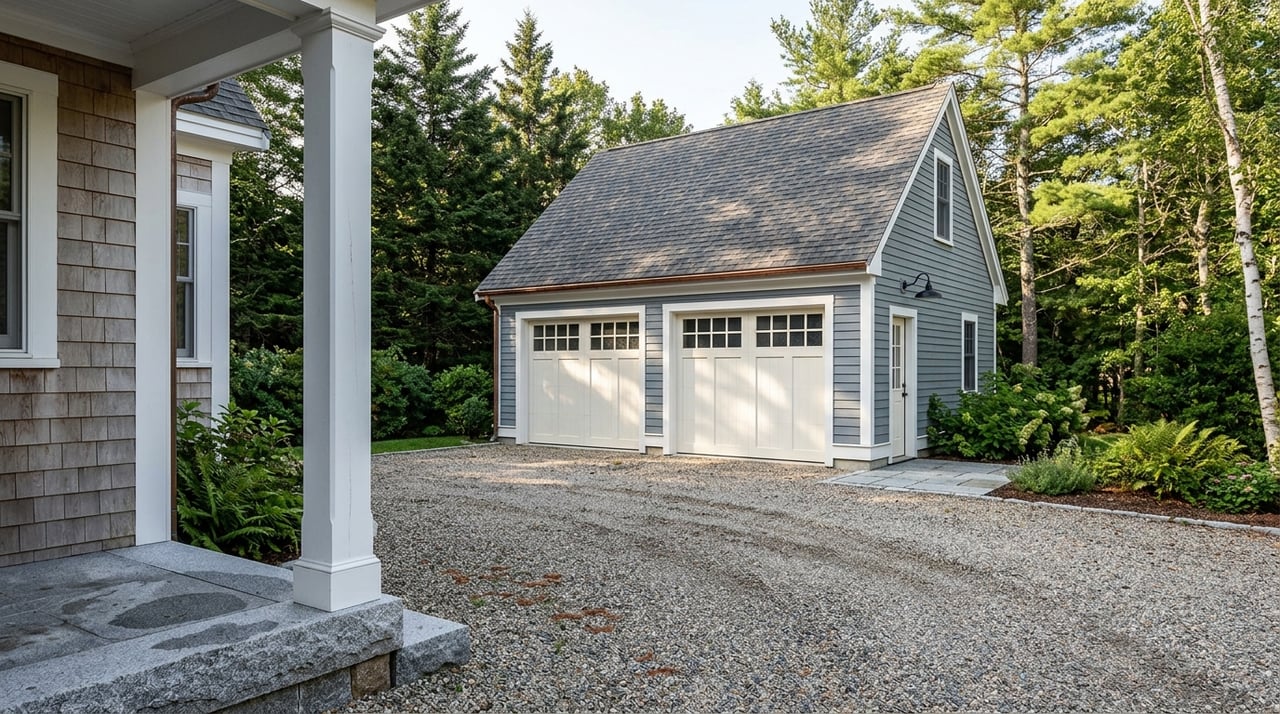
Because Acadia visitors are told to expect heavy congestion and to leave cars parked and use the Island Explorer shuttle, practical access matters. Properties with walkability to village amenities, easier access to park and shuttle routes, and usable on-site parking can offer a smoother guest experience.
That does not mean every successful rental needs all of those features. It does mean you should think carefully about how guests will arrive, park, move around, and enjoy the area during the busiest part of the year.
Safety and Utility Checks Are Essential
Before you buy, pay close attention to safety systems and core infrastructure. Bar Harbor’s short-term rental checklist is a useful guide for the kinds of items investors should expect to inspect, including egress windows, fire extinguishers, smoke alarms, carbon monoxide alarms, and fuel-gas detection.
Utility capacity matters too. Bar Harbor also points owners to Maine DEP septic guidance, which is a good reminder to review wastewater capacity and related utility details early in your due diligence.
On an island market with seasonal operating pressure, surprises in these systems can quickly become expensive. It is usually far better to identify limits and upgrade needs before closing than after your first booked season begins.
Focus on Operational Resilience
Many of the strongest MDI rental candidates are simply the easiest to run well. Efficient layouts, dependable heat and hot water, strong internet, and systems that reduce surprise maintenance can make a meaningful difference during a compressed high-demand season.
You should also think about turnover. A property that is easy to clean, easy to maintain, and easy for guests to understand may perform more consistently than a house with more charm but more operational friction.
That kind of practical screening can help you avoid buying a property that looks great in photos but proves harder to operate profitably. On Mount Desert Island, day-to-day reliability often matters as much as curb appeal.
Taxes and Compliance Need Early Review
Rental tax and registration questions should be part of your acquisition review from the start. Maine taxes rentals of living quarters at 9%, and Maine Revenue Services states that anyone engaged in the rental of living quarters in Maine must register as a retailer once the property is rented for 15 days or more in a calendar year.
That framework applies broadly to cottages, camps, condominium units, vacation homes, and transient rental platforms. If you are planning to rent, your booking setup and tax handling should not be an afterthought.
State guidance also notes that a single rental unit rented fewer than 15 days in a calendar year is not required to register, but once that threshold is crossed, registration and collection rules apply. Since town rules differ across Bar Harbor, Mount Desert, and Southwest Harbor, your intended use should be reviewed carefully before you depend on projected rental income.
A Smart Investment Approach for MDI
If you are serious about investing on Mount Desert Island, a disciplined approach usually works best. The market can offer compelling opportunity, but it rewards buyers who look closely at location, regulations, seasonality, and property systems.
A strong evaluation process often includes:
- Confirming the exact intended rental use before making an offer
- Reviewing town-level permitting, registration, and inspection requirements
- Stress-testing income expectations around a summer-heavy demand cycle
- Checking life-safety items, parking, access, septic, and utility capacity early
- Favoring properties that are easy to maintain and operate during peak season
This is where local guidance can make a real difference. On MDI, the details are not small details. They are often the difference between a smooth investment and an expensive lesson.
If you are considering a rental property in Bar Harbor, Mount Desert, Southwest Harbor, or elsewhere on the island, Steven Shelton can help you evaluate opportunities with the kind of local context that matters here.
FAQs
What makes Mount Desert Island attractive for rental property investors?
- Mount Desert Island benefits from Acadia National Park tourism, with more than 4 million recreation visits in 2025 and visitor spending that strongly reflects demand from non-local travelers.
How seasonal is rental demand on Mount Desert Island?
- Rental demand is highly seasonal, with peak visitor activity typically running from June through September and more than 85% of annual Acadia visits occurring from June through October.
What should buyers know about Bar Harbor short-term rental rules?
- Bar Harbor requires annual short-term rental registration, inspections, and compliance with rules that distinguish owner-occupied and whole-unit rental categories.
How is investing in Mount Desert different from investing in Bar Harbor?
- Mount Desert should be evaluated at the village and parcel level because the town emphasizes distinct local areas, permitting review, and code enforcement rather than a one-size-fits-all rental framework.
What type of rental setup may fit Southwest Harbor best?
- Southwest Harbor’s ordinance suggests a better fit for smaller-scale, owner-occupied lodging models, since bed and breakfast use as a home occupation is limited to no more than three bedrooms devoted to lodging.
What property features matter most for Mount Desert Island rentals?
- Practical features often matter most, including access to village amenities, shuttle or park access, parking, dependable utilities, strong internet, and systems that are easy to maintain during peak season.