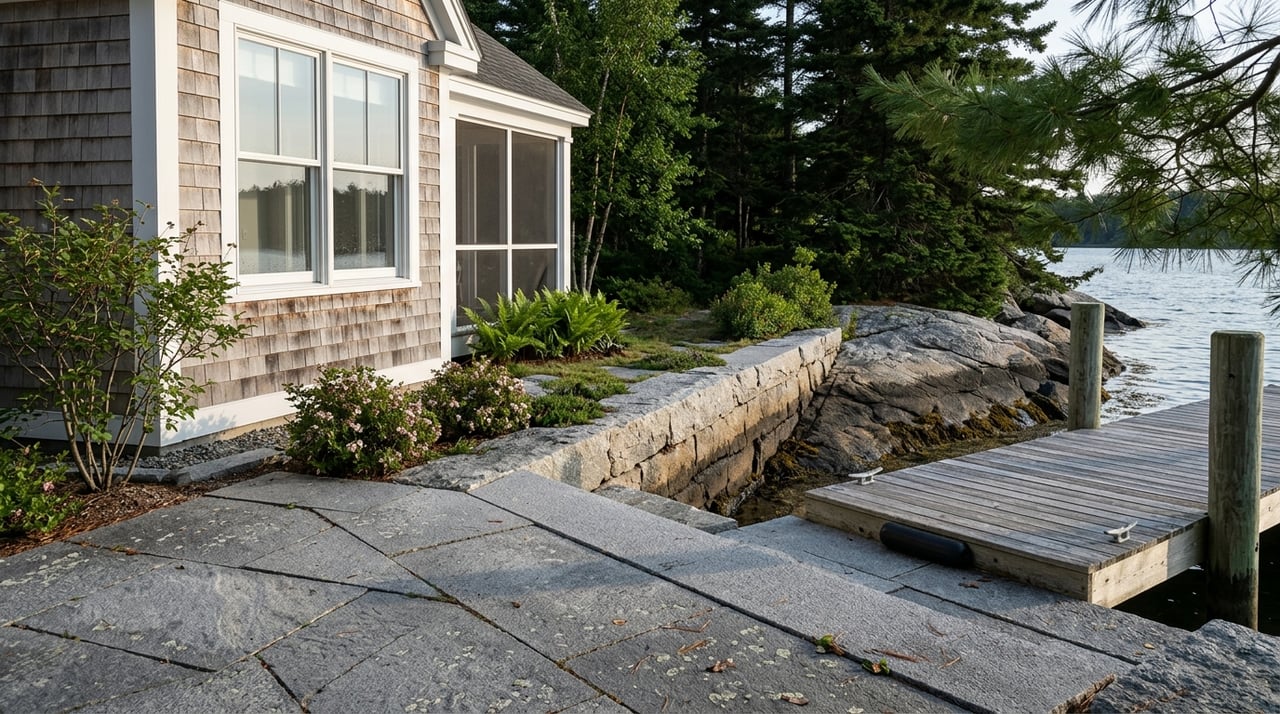
If you are searching for a waterfront home in Blue Hill, you are not just buying a house with a view. You are choosing a specific kind of shoreline, access, and daily lifestyle that can vary a lot from one property to the next. In a small market with limited inventory, understanding those differences can help you make a smarter decision and avoid surprises later. Let’s dive in.
Blue Hill Waterfront Is a Small, Varied Market
Blue Hill is a small town market overall, and the waterfront segment is even more limited. Zillow shows an average Blue Hill home value of $487,383 as of April 30, 2026, with 9 homes for sale townwide. In the direct-water segment, Zillow shows 6 waterfront listings in Blue Hill, while Redfin shows 12 homes with a view.
That tight supply matters because it means your options may be limited at any given time. It also means the term waterfront can cover very different properties, from pond-front homes to harbor-front settings to premium oceanfront residences. Current waterfront pricing ranges from $375,000 to $3,995,000, so comparing homes by price alone usually will not tell you much.
Know Blue Hill’s Waterfront Settings
Not all Blue Hill waterfront feels the same. The town’s waterfront identity includes Blue Hill Harbor, Blue Hill Bay, tidal ponds, and sheltered coves. Each setting can shape how you use the property and how the home may hold value over time.
Blue Hill Harbor
Blue Hill Harbor is the town’s largest harbor, with 378 acres and 5.47 miles of shorefront according to the town’s 2024 Comprehensive Plan. Much of the outer harbor is suitable for moorings and anchoring at roughly 20 to 30 feet of charted depth. The inner harbor, however, empties to mud flats at low tide.
For buyers, that means a harbor-front property may offer a beautiful setting but a very different experience depending on where it sits. One home may feel tied closely to boating and mooring access, while another may be more about changing tides, views, and shoreline character.
Blue Hill Bay
Blue Hill Bay offers a different kind of appeal. The town describes it as a moderately deep-water bay with boating access to Mount Desert Island, Deer Isle/Stonington, and Penobscot Bay.
If boating is part of your plan, bayfront property may stand out for that reason. A home on the bay can offer a stronger sense of open water access, but buyers should still look closely at frontage, exposure, and property-specific conditions.
Ponds and Sheltered Coves
Pond-front and cove settings can appeal to buyers who want a quieter or more residential waterfront feel. These properties may sit at a lower price point than premium bayfront or harbor-edge homes, though that depends on the house, frontage, and overall setting.
In Blue Hill, these options can be worth considering if your goal is privacy, scenery, or a water-oriented home without needing direct boating advantages. The key is to match the property to how you actually plan to use it.
Boating Access Matters More Than Many Buyers Expect
Blue Hill has a strong boating culture, and that is part of what drives waterfront demand. The town’s mooring map shows more than 600 mooring and outhaul locations. The Harbor Ordinance requires annual permits and allows waiting lists when sites are full.
That means proximity to the harbor is not the same as guaranteed water access. If you want to keep a boat, launch regularly, or rely on a mooring, you should verify exactly what comes with the property and what does not.
Ask These Access Questions Early
Before you get too far into a waterfront purchase, ask questions like:
- Does the property include an existing mooring permit?
- Is there documented shorefront access or only nearby harbor proximity?
- Are dinghy tie-ups available nearby?
- Is the area more practical for anchoring, mooring, or neither?
- Could you face a waiting list for town-managed mooring space?
In Blue Hill, these details can shape daily use just as much as the house itself. They can also affect future resale appeal.
Waterfront Styles in Blue Hill Are Not One-Size-Fits-All
Blue Hill has a strong architectural identity for a coastal town of its size. The Maine Historic Preservation Commission and the town’s comprehensive plan point to styles such as Federal, Greek Revival, Gothic, Italianate, Mansard, and Colonial Revival as part of the town’s historic character.
In practical terms, that means you may see a mix of older village-era homes, classic coastal cottages, and newer custom waterfront houses. Blue Hill is not a market where every waterfront property fits a single coastal look.
What Buyers May See on the Market
Current listings reflect that variety. Examples in the market include cottage-style compounds on Blue Hill Harbor, contemporary oceanfront homes on Blue Hill Bay, shingle-style cottages on Salt Pond, ranch-style mixed-use property across from the harbor, and pond-front homes with a more everyday residential feel.
That range can be a real advantage for buyers. Whether you want historic character, a classic Maine cottage, or a newer custom home, Blue Hill can offer different paths depending on your priorities and budget.
What Really Drives Waterfront Value
In Blue Hill, value appears to come more from the quality of the water setting than from the waterfront label alone. Harbor versus bay versus pond can make a major difference. So can useful frontage, shoreline conditions, privacy, home quality, and boating practicality.
A rocky edge and a broad open-water view may carry one kind of value. Protected frontage, easier access, or deep water may carry another. This is why two homes with similar square footage can perform very differently in price.
Compare Like With Like
When you evaluate Blue Hill waterfront homes, it helps to compare homes by these factors:
- Type of water setting
- Tidal impact
- Frontage usability
- Exposure and privacy
- Boating or mooring practicality
- Age and condition of the home
- Year-round access
- Permit and compliance status
This kind of comparison is usually more useful than price per square foot alone. On the coast, the shoreline itself often carries a big part of the value story.
Due Diligence Is Critical on Blue Hill Waterfront
Waterfront purchases often require more review than inland homes, and Blue Hill is no exception. Local ordinances, floodplain rules, shoreline conditions, and access limitations can all affect how you use the property after closing.
A home can look ideal in photos and still carry restrictions that matter to your plans. If you are thinking about adding a deck, expanding the house, clearing trees, improving access, or changing shoreline features, you need to know what the town allows.
Shoreland Zoning
Blue Hill’s shoreland zone applies within 250 feet of tidal waters, freshwater ponds, and streams. The town ordinance includes setback and buffer rules that can affect additions, decks, tree clearing, and shoreline work.
This is one of the first things to review if you are buying for long-term use or future improvement. A great lot is not always as flexible as it looks.
Floodplain and Permit Review
Blue Hill’s Floodplain Management ordinance requires permits before construction or development in certain special flood-hazard areas. The town’s Code Enforcement Officer handles shoreland zoning, building standards, plumbing, and subsurface waste disposal.
For buyers, that means permit review is not just a box to check. It is an important part of understanding what has been approved, what may need attention, and what future changes could involve.
Access and Climate Resilience
The town’s 2024 climate vulnerability assessment identifies East Blue Hill Road, Falls Bridge Road, Parker Point Road, and KYC Lane as vulnerable to future coastal flooding and tidal inundation. For year-round owners, road access and driveway elevation can matter just as much as the lot itself.
It is smart to think beyond the shoreline view. Ask how the property functions during high water, storms, and seasonal shifts, especially if you plan to use the home full time.
Swimming and Shellfishing Considerations
Blue Hill has a shellfish conservation program, and the town’s comprehensive plan notes that the Shaw Institute publishes summer beach and swimming advisories. If swimming, clamming, or water quality is part of your vision, that is worth checking early.
Not every waterfront property supports the same lifestyle. In some cases, the best setting for views may be different from the best setting for daily water use.
What May Support Long-Term Resale
No one can predict the future market with certainty, but some waterfront features are likely to remain important in Blue Hill. Properties with useful frontage, compliant improvements, year-round access, and a strong connection to the harbor lifestyle may continue to stand out.
The town’s ongoing attention to marine facilities also matters. In Blue Hill’s comprehensive plan, 83% of survey respondents wanted the town involved in protecting working waterfronts, and 86% wanted more investment in marine and wharf facilities. That suggests local support for the systems that help make waterfront ownership functional, not just scenic.
Why Local Guidance Matters in Blue Hill
Blue Hill waterfront real estate is nuanced. The difference between a strong fit and a frustrating purchase often comes down to details that are easy to miss if you are only looking at photos, asking prices, or broad online labels.
When inventory is limited, it helps to have guidance from someone who understands coastal Maine property types, harbor access, shoreline value, and town-by-town differences. If you are considering a waterfront home in Blue Hill, Steven Shelton can help you evaluate the details that matter most and find a property that truly fits how you want to live.
FAQs
What makes Blue Hill waterfront homes different from one another?
- Blue Hill waterfront homes can sit on the harbor, bay, ponds, or sheltered coves, and each setting offers a different mix of views, tidal impact, boating use, and pricing.
How many waterfront homes are usually for sale in Blue Hill?
- Inventory is limited. Zillow shows 6 waterfront listings in Blue Hill, while the broader townwide market snapshot shows 9 homes for sale.
What should Blue Hill buyers ask about boating access?
- You should ask whether the property includes a mooring permit, documented shorefront access, dinghy access, or only proximity to the harbor, since permits are annual and waiting lists may apply.
What zoning rules affect Blue Hill waterfront property?
- Blue Hill’s shoreland zone applies within 250 feet of tidal waters, freshwater ponds, and streams, and local rules can affect additions, decks, tree clearing, and shoreline work.
Which Blue Hill roads have flood or tidal concerns?
- The town’s 2024 climate vulnerability assessment flags East Blue Hill Road, Falls Bridge Road, Parker Point Road, and KYC Lane as vulnerable to future coastal flooding and tidal inundation.
What affects waterfront value in Blue Hill most?
- Value appears to depend heavily on the quality of the water setting, frontage usability, tidal conditions, privacy, boating practicality, and the home’s age and condition rather than the waterfront label alone.