By Steve Shelton
Bar Harbor sits between Frenchman Bay and Acadia National Park, and that geography shapes almost every part of daily life in town. This is a place where a morning can begin with a harbor view, continue with errands or coffee in the village, and end with a walk toward the Shore Path or a drive into Acadia.
When I talk about Bar Harbor real estate, I always include the landmarks and amenities that make this town feel both practical and extraordinary in the same day.
Key Takeaways
- Waterfront: Parks, views, and harbor access define the town center
- Culture: Museums and historic civic buildings add depth
- Convenience: Recreation, wellness, and village amenities stay close at hand
- Lifestyle: Daily life is shaped by walkability and proximity to Acadia
The Waterfront Sets the Tone for the Entire Town
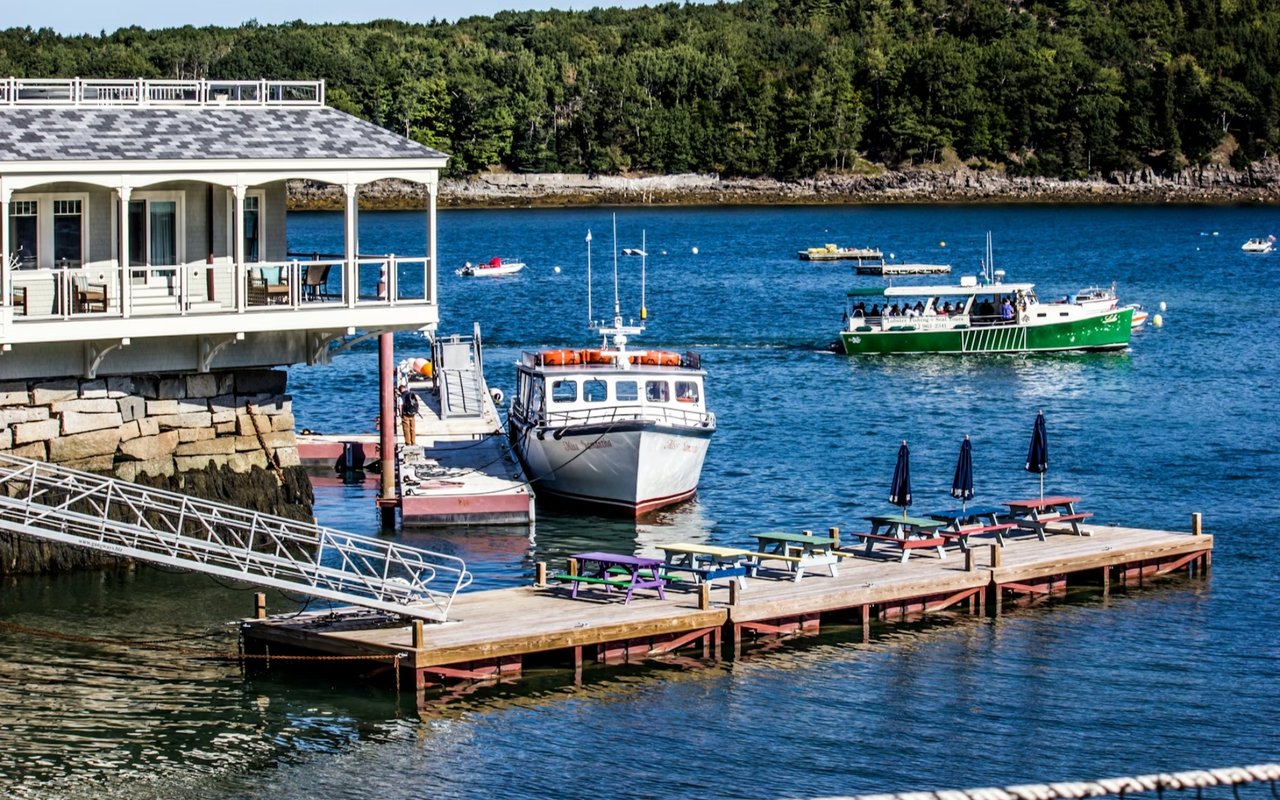
Bar Harbor’s harborfront is one of the first things people notice, and it continues to shape the experience long after that first visit.
The waterfront landmarks that stand out most
- Agamont Park: A bluff-top public park overlooking Frenchman Bay and the town pier
- Town Pier area: A central harbor point that keeps the waterfront visibly tied to village life
- Harbor outlooks: Open views across the water give the center of town a dramatic edge
These places create a first impression that is hard to forget, though they also remain useful and familiar on an ordinary weekday.
The Village Core Balances History and Everyday Use
Downtown Bar Harbor works so well because the village center feels beautiful and highly functional at the same time.
The village landmarks I mention most often
- Village Green: A central public green that hosts events and gives downtown a true civic heart
- Jesup Memorial Library: A distinguished Mount Desert Street institution with architectural presence and local importance
- Abbe Museum: A downtown cultural landmark focused on Wabanaki history and Native knowledge
This collection of places explains why the center of Bar Harbor feels so complete, with cultural, civic, and practical destinations all within a short walk.
Acadia Access Is One of Bar Harbor’s Greatest Daily Advantages
Bar Harbor is closely tied to Acadia National Park, and that connection changes the way people use the town.
The Acadia-related access points that matter most
- Hulls Cove Visitor Center: The main visitor contact station for Acadia on the Bar Harbor side of Route 3
- Island Explorer connections: Seasonal transit access supports easier movement between town and park destinations
- Shoreline-to-mountain contrast: The town moves quickly from harbor views to park roads and trailheads
This is one of the most important lifestyle points because outdoor access begins almost immediately once you leave the village center.
Recreation and Wellness Amenities Add More Than Scenic Appeal
Bar Harbor has several local-use amenities that make the town more livable beyond its postcard landmarks.
Amenities that support daily routines
- Mount Desert Island YMCA: A well-established Park Street facility focused on fitness, wellness, and community use
- Public parks system: Town-managed spaces like Agamont Park and Village Green add practical recreation and gathering areas
- Walkable services: The compact village keeps many daily needs within a short distance
I always like to include these because they reveal how the community functions for people who are here regularly rather than simply passing through for a day.
Cultural Landmarks Give Bar Harbor More Substance
Bar Harbor stands out because its best-known places are not limited to views and trailheads.
Cultural places that deepen the experience
- Abbe Museum: A major downtown institution centered on Wabanaki history, art, and contemporary interpretation
- Jesup Memorial Library: A prominent local landmark that adds architectural beauty and public purpose
- Historic streetscape: The village architecture itself gives the town a stronger sense of continuity
This character matters in real estate because a town with strong civic and cultural anchors usually feels more complete over time.
FAQs
Which Bar Harbor landmark feels most central to everyday life?
I usually point to the Village Green and Agamont Park because both sit right in the flow of the village and are used constantly. Together, they capture the balance between civic life and the waterfront setting that defines the town.
Is Bar Harbor mostly about Acadia National Park?
Acadia is a major part of the identity, though the downtown village, public parks, museum, and library all matter a great deal too. The town feels strongest when those pieces are understood together rather than separately.
Do landmarks and amenities really affect where people want to live in Bar Harbor?
Yes, because walkability, harbor access, and connection to Acadia can shape the rhythm of daily life in a very direct way. A home’s relationship to the village core often says as much as its architecture or lot size.
Contact Steve Shelton Today
Bar Harbor offers a very specific version of coastal Maine living, shaped by the harbor at Agamont Park, the paths and green spaces in the village core, the cultural pull of the Abbe Museum and Jesup Memorial Library, and the immediate access to Acadia just up Route 3.
Reach out to me, Steve Shelton, and I will help you compare Bar Harbor properties through the details that matter here, like waterfront proximity, village walkability, Acadia access, and the local landmarks that make each part of town feel distinct.