By Steve Shelton
If you're buying or selling a home in Bar Harbor, you've probably heard the word "appraisal" come up more than once. It's one of those terms that sounds straightforward but often sparks more questions than answers, especially when you're in the middle of a transaction and the outcome actually matters to you. Whether you're a seller wondering whether your home will appraise at your asking price or a buyer concerned about what happens if it doesn't, understanding the appraisal process gives you a clear advantage.
An appraisal is an independent, professional assessment of a property's fair market value. It's typically required by lenders before they'll approve a mortgage, making it a pivotal step in most real estate transactions. In a market like Bar Harbor, where coastal properties, historic homes, and seasonal demand all factor into pricing, the appraisal can feel especially high-stakes. Knowing what happens during the process and what appraisers look for can help you prepare, respond, and move forward with confidence.
The good news is that the appraisal process, while sometimes nerve-wracking, follows a predictable structure. Once you understand each phase, it's far less mysterious.
Key Takeaways
- A home appraisal is an independent evaluation of your property's value, required by most mortgage lenders before loan approval.
- The appraiser visits the property in person to assess its condition, size, features, and overall quality.
- Comparable sales in the local area play a major role in determining the appraised value.
- If an appraisal comes in below the agreed-upon sale price, there are several options to keep the deal on track.
- Preparing your home and understanding the process ahead of time can help ensure that the appraisal accurately reflects your property's value.
When the Appraisal Gets Scheduled
Once a purchase agreement is signed, the buyer's lender orders the appraisal. The lender selects a licensed, independent appraiser, often through an appraisal management company, to ensure that there's no conflict of interest between the appraiser and any party in the transaction. The appraiser contacts the listing agent or seller to schedule a time to visit the home, typically within one to two weeks of the order being placed.
In Bar Harbor and the broader Mount Desert Island area, appraiser availability can sometimes be a factor, particularly during the busy summer season when the real estate market picks up significantly. It's worth building a realistic timeline into your transaction from the start so that scheduling doesn't become stressful.
Sellers should use the window between the offer being accepted and the appraisal visit as preparation time. A clean, well-maintained, and accessible property gives the appraiser everything they need to complete a thorough evaluation.
In Bar Harbor and the broader Mount Desert Island area, appraiser availability can sometimes be a factor, particularly during the busy summer season when the real estate market picks up significantly. It's worth building a realistic timeline into your transaction from the start so that scheduling doesn't become stressful.
Sellers should use the window between the offer being accepted and the appraisal visit as preparation time. A clean, well-maintained, and accessible property gives the appraiser everything they need to complete a thorough evaluation.
What To Have Ready Before the Appraiser Arrives
- Any recent upgrades or renovations, including dates and estimated costs, presented in a simple summary sheet.
- Receipts or documentation for major systems, such as the roof, HVAC, plumbing, or electrical, if they've been recently replaced or serviced.
- A list of notable features that might not be obvious, such as a whole-house generator, updated insulation, or energy-efficient windows.
- Access to all areas of the home, including the basement, attic, garage, and any outbuildings on the property.
What the Appraiser Does During the Visit
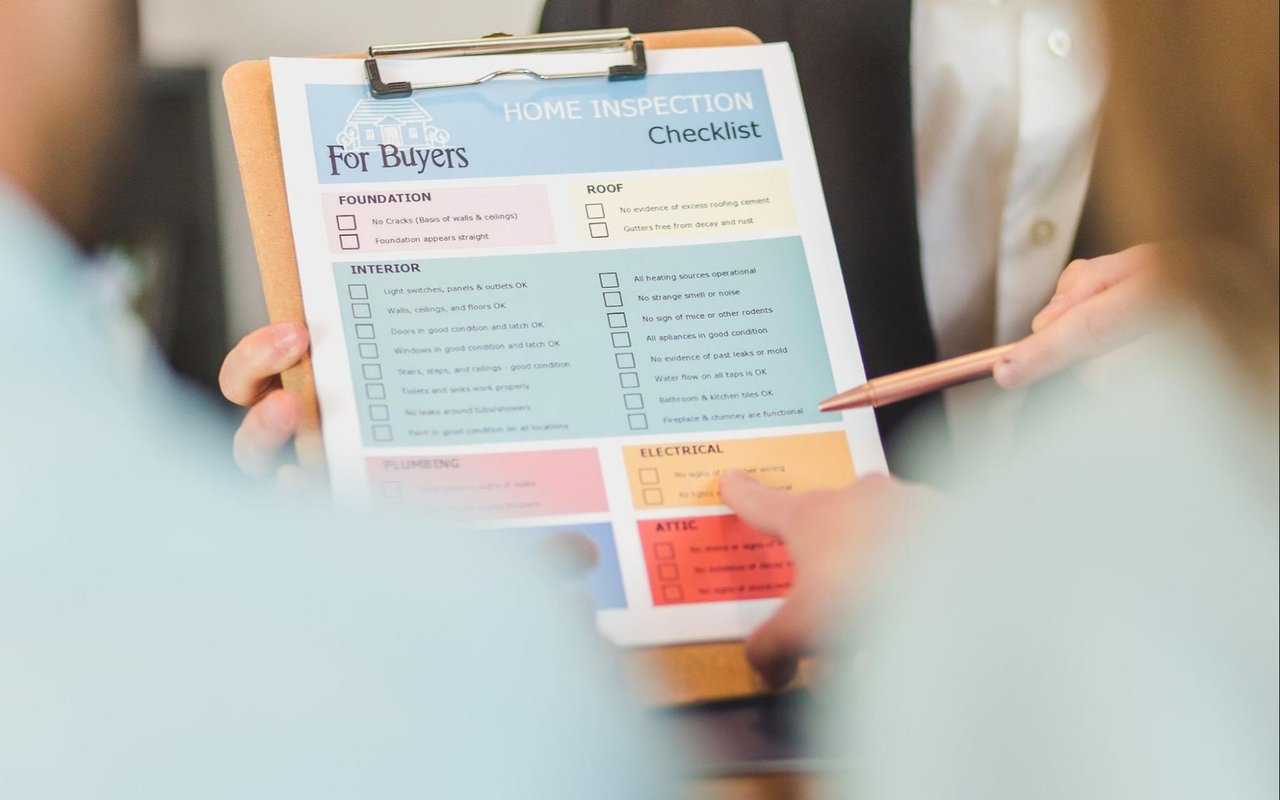
The in-person inspection is the most visible part of the process. The appraiser walks through the entire home, measuring square footage, evaluating the condition of each room, and taking note of the home's features. They're looking at everything from the foundation and framing to the quality of finishes, the age of major systems, and the general upkeep of the property.
Outside, the appraiser will assess the lot size, landscaping, the driveway, and any additional structures, such as a garage, barn, or guest cottage. Curb appeal matters, not for aesthetic reasons but because the exterior condition reflects how well the property has been maintained overall. In coastal markets like Bar Harbor, waterfront access, water views, and proximity to Acadia National Park are all factored in as well.
The visit typically takes between 30 minutes and a few hours, depending on the size and complexity of the property. Larger or more unique homes naturally take more time. Once the walkthrough is complete, the appraiser goes back to the office to complete the report.
Outside, the appraiser will assess the lot size, landscaping, the driveway, and any additional structures, such as a garage, barn, or guest cottage. Curb appeal matters, not for aesthetic reasons but because the exterior condition reflects how well the property has been maintained overall. In coastal markets like Bar Harbor, waterfront access, water views, and proximity to Acadia National Park are all factored in as well.
The visit typically takes between 30 minutes and a few hours, depending on the size and complexity of the property. Larger or more unique homes naturally take more time. Once the walkthrough is complete, the appraiser goes back to the office to complete the report.
What Appraisers Evaluate During the Inspection
- The gross living area, calculated from exterior measurements, which directly affects the final value.
- The condition of the roof, windows, foundation, and major systems, noting anything that may require repair or pose a risk to the structure.
- The number and configuration of bedrooms and bathrooms, as well as the overall floor plan and flow of the home.
- Special features that add value, such as a finished basement, updated kitchen, outdoor living areas, or water views.
- The quality of materials and finishes throughout the home, from flooring and cabinetry to fixtures and countertops.
How the Appraiser Determines the Value
After the visit, the appraiser develops the full appraisal report. The core methodology they use is called the sales comparison approach, which involves identifying recent sales of similar homes in the area, known as comparable sales or "comps," and adjusting for differences between those properties and the subject home.
Appraisers work within a geographic radius and a time window, typically the past six to twelve months, to find the most relevant comps available. Adjustments are made for differences in square footage, lot size, condition, age, and specific features. If one comp has a two-car garage and your property doesn't, the appraiser will apply a downward adjustment to that comp's value before using it in the analysis.
Appraisers work within a geographic radius and a time window, typically the past six to twelve months, to find the most relevant comps available. Adjustments are made for differences in square footage, lot size, condition, age, and specific features. If one comp has a two-car garage and your property doesn't, the appraiser will apply a downward adjustment to that comp's value before using it in the analysis.
Factors That Influence the Appraised Value
- Recent comparable sales within the same community or geographic area, weighted heavily by proximity and similarity.
- The overall condition of the home, with properties in excellent condition consistently appraising higher than those needing deferred maintenance.
- The current market environment, since appraisers note whether the market is moving up, holding steady, or adjusting in their final report.
- Any additions or permitted improvements made to the home, which must be documented to be fully credited.
What Happens After the Appraisal Report Is Submitted?
The appraiser submits the completed report to the lender, who then reviews it. If the appraised value comes in at or above the agreed-upon sale price, the transaction can move forward without disruption. For buyers, the lender will continue processing the loan based on the value confirmed in the report.
If the appraised value comes in below the sale price, the transaction enters a negotiation phase. This is called an appraisal gap. The buyer's lender will only lend based on the appraised value, so the gap between the two numbers has to be resolved before closing.
There are several ways to address an appraisal gap, and I can walk you through all of them so you can make the right decision based on your specific situation. Sellers may agree to reduce the purchase price, buyers may agree to cover the gap out of pocket, or both parties may meet somewhere in the middle. In some cases, the buyer's agent can request a reconsideration of value by providing additional comparable sales that the appraiser may not have considered.
If the appraised value comes in below the sale price, the transaction enters a negotiation phase. This is called an appraisal gap. The buyer's lender will only lend based on the appraised value, so the gap between the two numbers has to be resolved before closing.
There are several ways to address an appraisal gap, and I can walk you through all of them so you can make the right decision based on your specific situation. Sellers may agree to reduce the purchase price, buyers may agree to cover the gap out of pocket, or both parties may meet somewhere in the middle. In some cases, the buyer's agent can request a reconsideration of value by providing additional comparable sales that the appraiser may not have considered.
Options When an Appraisal Comes In Low
- Negotiate a price reduction so that the sale price aligns with the appraised value.
- Request a reconsideration of value through the lender, supported by comparable sales data.
- Have the buyer cover the appraisal gap with additional funds at closing.
- Agree to a split arrangement, where both the buyer and seller share the difference between the appraised and agreed-upon price.
- Order a second appraisal if there is clear evidence that the first contained significant errors or omissions.
FAQs
How Long Does a Home Appraisal Take in Maine?
The in-person inspection typically takes 30 minutes to a few hours. The full report is usually delivered to the lender within five to ten business days of the visit, though timelines can vary depending on the appraiser's workload and the complexity of the property. During peak season in Bar Harbor, it's worth building in some extra buffer time.
What If I Disagree With the Appraisal?
If you believe the appraised value doesn't accurately reflect the property's market value, you can formally request a reconsideration of value. This involves submitting documentation, including comparable sales the appraiser may have overlooked, to support a higher valuation. The request goes through the lender, and the appraiser reviews the new information and responds accordingly.
Is an Appraisal the Same as a Home Inspection?
No. A home inspection evaluates the physical condition of the property and identifies issues that may need repair. An appraisal determines the property's fair market value for lending purposes. Both are important, but they serve different roles. In most transactions, a home inspection happens before the appraisal, and the two reports complement each other.
I'll Help You Navigate Every Step
The appraisal process can feel complex, but it follows a clear and logical sequence. Once you understand what appraisers look for, how they build their reports, and what options exist if the numbers don't land where you hoped, the whole journey becomes far more manageable.
Whether you're preparing to list, under contract, or somewhere in between, I'm here to help you understand every phase of the process and make the most informed decisions possible. Reach out to me, Steve Shelton, to get started in Bar Harbor, ME.
Whether you're preparing to list, under contract, or somewhere in between, I'm here to help you understand every phase of the process and make the most informed decisions possible. Reach out to me, Steve Shelton, to get started in Bar Harbor, ME.