By Steve Shelton
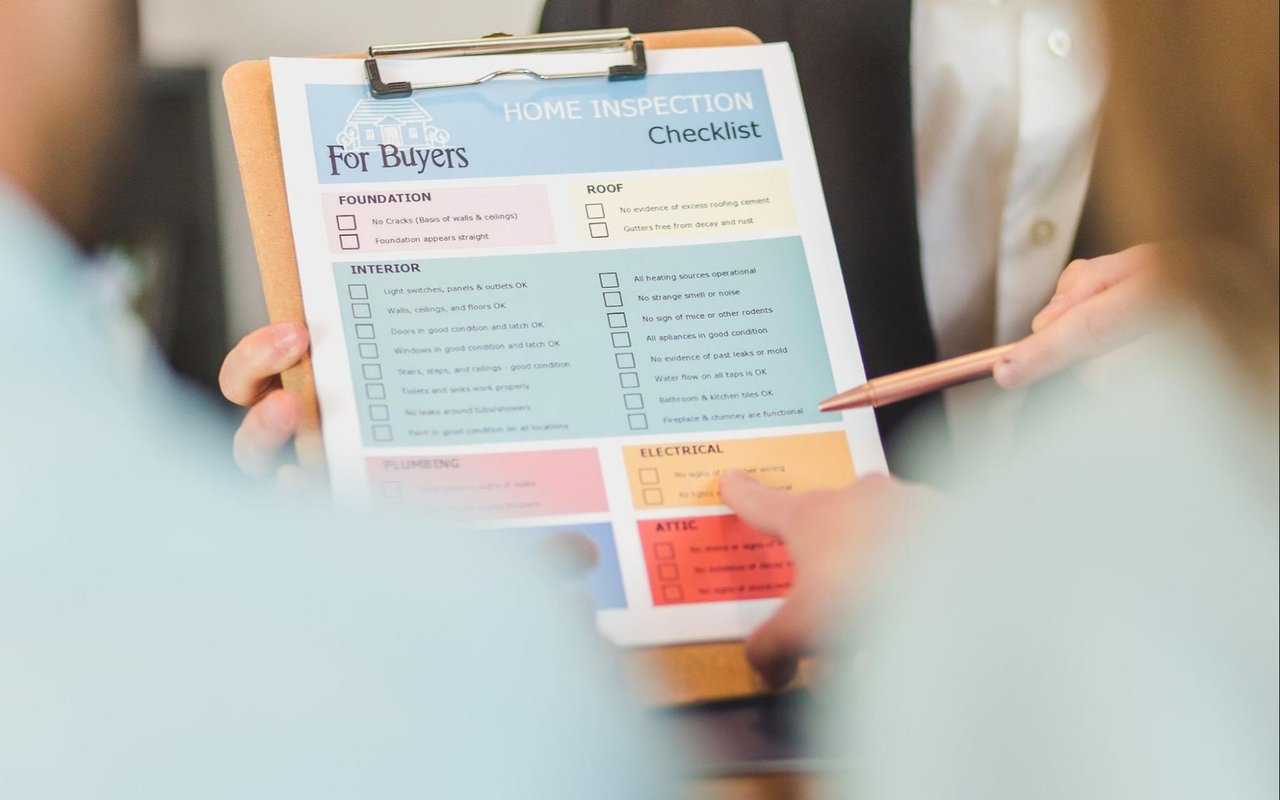
You scheduled the inspection, showed up to the appointment, and walked through the property with the inspector for two hours. Now, you are sitting with a lengthy report full of findings, photographs, and terminology. What happens next is one of the most consequential parts of the entire home-buying process, and it is also one of the most misunderstood.
A home inspection report is not a pass-or-fail document. It is a detailed snapshot of a property's current condition, and knowing how to read it, prioritize its findings, and respond strategically can mean the difference between a smooth path to closing and a transaction that stalls over issues that could have been resolved. The goal is not to find a perfect house; it is to understand exactly what you are buying.
For buyers in Bar Harbor, Maine, this is especially important. Coastal and island properties come with their own set of considerations, from the effects of a maritime climate on roofing and siding to the specific requirements of septic systems and well water that are common throughout the region. Here is how to approach the post-inspection process with clarity and confidence.
Key Takeaways
- A home inspection report documents the condition of a property but does not determine whether you should walk away or proceed.
- Not all findings are equal; prioritizing issues by category and severity is more productive than reacting to the number of issues discovered.
- After an inspection, you have several options, including requesting repairs, negotiating a price adjustment, asking for a closing credit, or accepting the property as-is.
- Specialty inspections may be warranted based on what the general inspector flags.
How to Read Your Inspection Report Without Panicking
Most inspection reports are long. That is by design. Inspectors are trained to document everything they observe, from a missing outlet cover to signs of moisture in the crawl space. Seeing 30 or 40 line items does not mean the house is falling apart; it means the inspector did their job thoroughly. Your task is to distinguish between the findings that require immediate attention and those that are routine maintenance items any homeowner would eventually address.
Start by reading the summary section if your inspector provides one. This is typically where the most significant findings are flagged. From there, go through the full report and sort the findings into rough categories: safety concerns, major systems, structural issues, and cosmetic or minor items. This exercise alone will give you a much clearer picture of what you are actually dealing with.
Pay particular attention to anything related to the roof, foundation, electrical panel, plumbing, and heating system. These are the areas where repair costs can be substantial and where deferred maintenance tends to compound over time. In Bar Harbor, also look closely at any findings related to moisture, as the coastal climate creates conditions that can accelerate deterioration if a home has not been properly maintained.
Findings to Prioritize After a Bar Harbor Home Inspection
- Roof condition, including the age and integrity of shingles, flashing, and any chimney or skylight seals.
- Basement and crawl space moisture, given Bar Harbor's humidity levels and the prevalence of older homes with stone foundations.
- Heating system function and fuel type, since winters on Mount Desert Island require reliable, efficient heat.
- Electrical panel adequacy and the presence of any outdated wiring, such as aluminum or knob-and-tube.
- Septic system condition, if the property is not connected to the municipal sewer.
Your Options After the Inspection
Once you have a clear read on the findings, it is time to decide how to respond. You generally have four paths available to you at this stage. The first is to request that the seller make specific repairs before closing. The second is to ask for a price reduction or a seller credit that reflects the cost of addressing the issues yourself. The third is to accept the property in its current condition and proceed to closing without further negotiation. The fourth is to exit the contract per your inspection contingency.
Which path makes the most sense depends on several factors, including the severity of the findings, the current market conditions, how long the property has been listed, and what you know about the seller's motivation. In a competitive market, asking for a long list of minor repairs can put your offer at risk. In a slower market, you may have more leverage to negotiate.
In Bar Harbor's seasonal market, timing also matters. If you are under contract during the peak summer months when competition is high, your negotiating position may look different from what it would in the fall or winter. I can help you read the current conditions and craft a response that protects your interests without unnecessarily jeopardizing the deal.
How to Structure Your Post-Inspection Request
- Focus your repair requests on safety issues and major system deficiencies rather than cosmetic items.
- Get contractor estimates for significant items before finalizing your request, so your numbers are grounded in reality.
- Consider asking for a seller credit in lieu of repairs if you prefer to oversee the work yourself after closing.
- Be specific in your repair addendum; vague language can create disputes at closing.
- Prioritize the issues that would affect your financing or insurability, as lenders and insurers often have their own requirements.
FAQs
Can I Back Out of a Purchase After a Home Inspection?
In most cases, yes. If your purchase agreement includes an inspection contingency, which it typically does, you have the right to withdraw from the transaction within the contingency period if the inspection reveals issues you are not comfortable with. Your earnest money deposit is generally protected under this contingency. Review your specific contract language carefully and consult with me before making any decisions.
What If the Seller Refuses to Make Repairs or Offer a Credit?
This happens, and it does not necessarily mean the deal has to end. You can choose to accept the property as-is, renegotiate on price, or walk away. The right choice depends on how extensive the issues are, what the property is worth relative to the asking price, and how much flexibility exists on both sides. I can help you think through the options and decide on the best path forward.
How Long Do I Have to Respond After the Inspection?
This is determined by your purchase agreement. Inspection contingency periods typically run between five and ten days from the date of the inspection, though this varies. Missing that deadline can affect your ability to negotiate or exit the contract, so it is important to move quickly once you receive the report.
Should I Attend the Home Inspection in Person?
Yes, whenever possible. Being present allows you to ask the inspector questions in real time, see issues firsthand rather than only through photographs, and develop a much more complete understanding of the property's condition. Most inspectors welcome buyer attendance and will walk you through their findings as they go.
The Inspection Is Information, Not the Finish Line
A home inspection is one of the most valuable tools available to you as a buyer. The best thing you can do is work through the report methodically, ask the right questions, and lean on an agent who knows how to use inspection findings as a negotiating tool rather than a reason to panic. Every finding is either something you can address, something the seller can address, or something you can price into your decision.
When you are ready to start your home search in Bar Harbor, reach out to me, Steve Shelton. I will be with you every step of the way, including the inspection.
When you are ready to start your home search in Bar Harbor, reach out to me, Steve Shelton. I will be with you every step of the way, including the inspection.